
California business transactional counsel — done right the first time.
Formation, contracts, employment counseling, and outside general counsel — for California businesses that want the paperwork right the first time. Flat-fee, founder-led, and built to prevent the disputes that follow bad drafting.
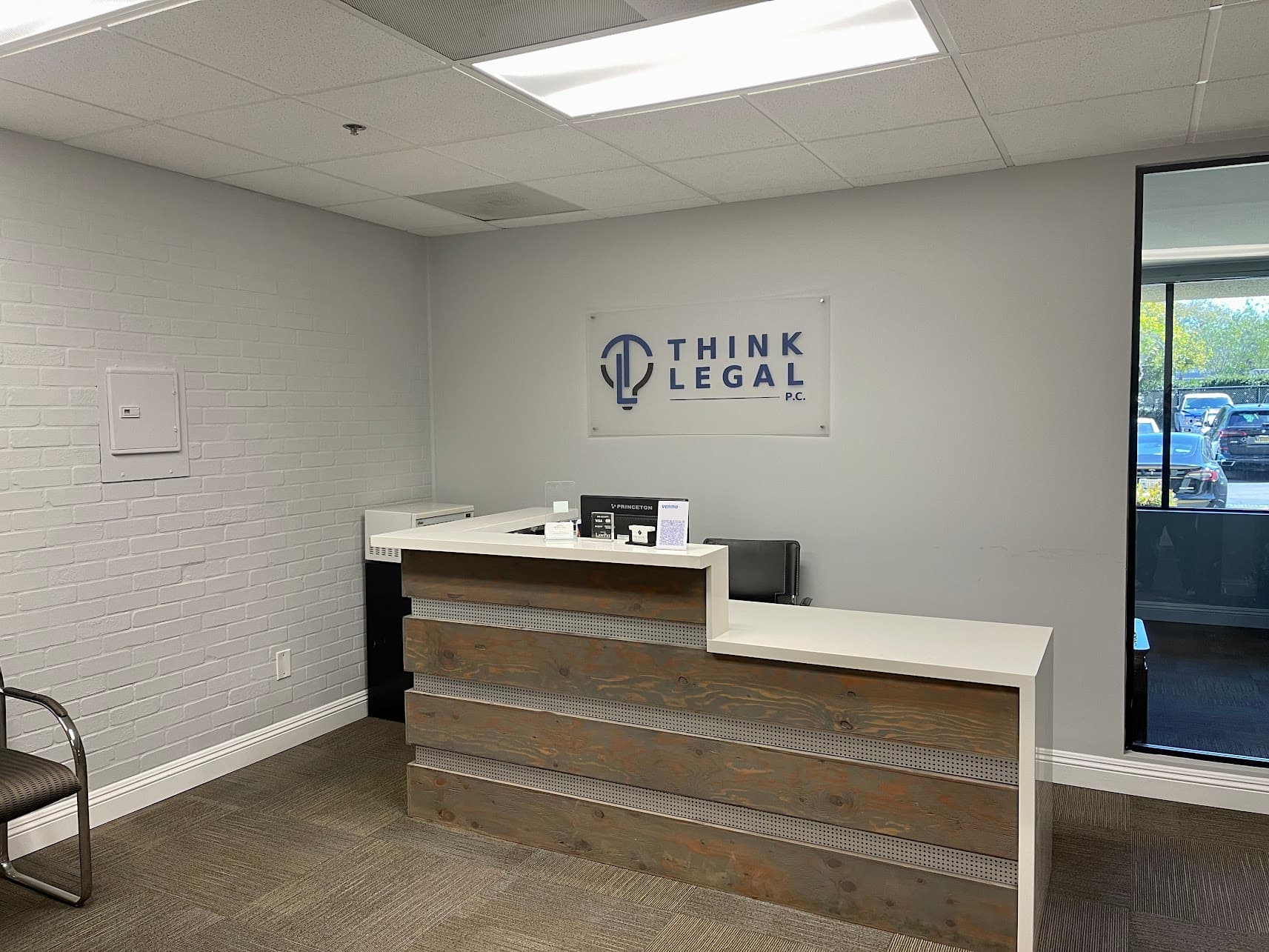
Most California businesses learn what their operating agreement or their vendor contract actually says only after something has gone wrong. By then the drafting decisions are locked in and the options have narrowed.
The transactional work Think Legal does exists to make that scenario not happen. Formation, contracts, employment counseling, outside general counsel — done with the failure modes in mind, so the paperwork actually holds when it needs to.
Why the firm exists
Think Legal was built to be the transactional counsel California business owners can trust to get the paperwork right the first time. Flat-fee. Founder-led. California-only. No hourly meter, no bait-and-switch staffing, no fear-based marketing.
The premise is straightforward: the firms that keep California businesses out of court are the ones who drafted the underlying documents correctly. That is the work — thoughtful, document-focused, forward-looking — that Think Legal does.
What we do
Four transactional practice areas, one firm:
Business formation
California LLCs, corporations, multi-member operating agreements, buy-sell agreements, and the post-formation compliance that keeps entities in good standing. Flat-fee + costs. Scope on the engagement letter.
Contracts
Drafted, reviewed, and negotiated contracts for California businesses — with attention to the California-specific issues (§16600, §17600 auto-renewal, arbitration enforceability, CCPA/CPRA) that most out-of-state templates miss.
Employment counseling
Employee handbooks, employment agreements, independent-contractor agreements, wage-and-hour compliance, termination-and-severance planning. Preventive employment work — the paperwork that keeps California employers out of claims.
Outside general counsel
Foundation, Partner, and Embedded tiers priced against the alternative of hiring in-house counsel. Ongoing transactional and advisory coverage for California businesses that need consistent legal support without the headcount cost.
How we engage
Two principles run through every matter:
Founder-led representation. Taylor Darcy handles the matter. There is no associate-staffing model where a junior associate runs your case and you discover that on the bill.
The number you saw is the number you pay. Flat fees are written down before the work starts. No surprise bills, no scope creep, no rounded-up sixths-of-an-hour.
Details on engagement, retainers, and pass-through costs are on the Fees & engagement page.
Who runs it
Think Legal is a California professional law corporation founded in 2017 by Taylor E. Darcy, JD/MBA. California State Bar No. 317674. Recognized by Super Lawyers as a Rising Star, 2019–2026.
Taylor's full background is on the attorney bio page.
What we won't do
A few things we'll tell you on the discovery call rather than after a retainer:
- We don't take matters outside California. We're licensed in California and counsel California-headquartered companies on multistate questions, but we don't practice outside California.
- We don't take litigation matters. The firm is exclusively transactional — formation, contracts, employment, OGC. Litigation and dispute-resolution referrals go to firms we trust for that work.
- We don't take matters where flat-fee scoping isn't honest — usually because facts are still evolving. In those cases we'll quote a scoping phase first so the fee can be honest before the work starts.
- We don't take fear-based marketing engagements. If you're shopping a 'cease-and-desist that scares them off,' that isn't us.
- We don't take matters from a position of obvious conflict, even if a creative entity-structure could paper over it.
The first conversation
Every engagement starts with a short discovery call. Fifteen to thirty minutes, confidential, no obligation.
The call is candid. We'll tell you whether the matter is one we can take, what the scope looks like, what it costs, and whether you actually need a lawyer for it.
Tell us what you're facing. We'll tell you what's actually next.
Every engagement starts with a short discovery call — fifteen to thirty minutes, confidential, no obligation. We'll tell you whether the matter is one we can take, what the scope looks like, and what it costs.